

The Military Sleep Method Claims It Works In 2 Minutes, But There’s A Catch

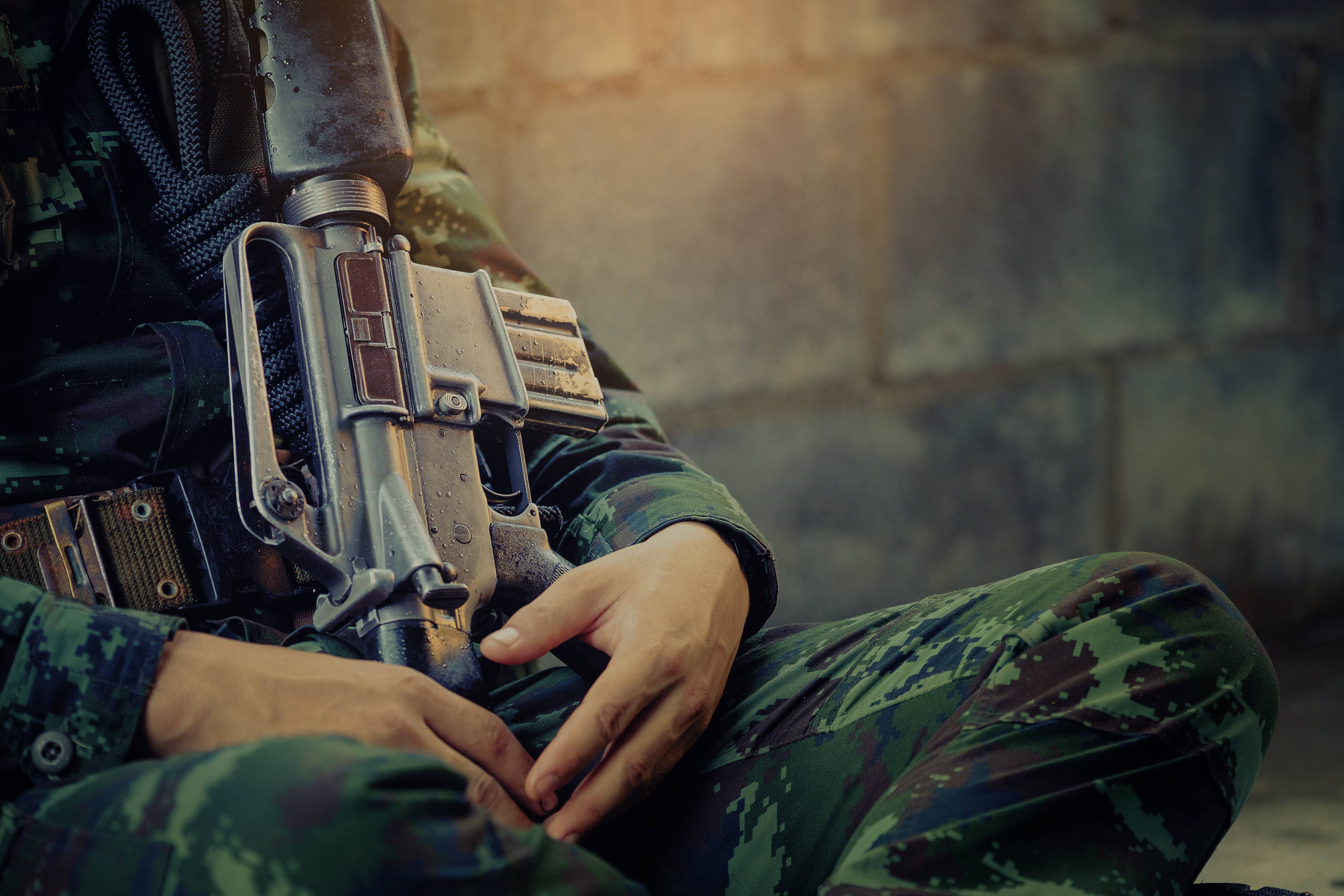
The so-called military method is a relaxation technique widely claimed to help people fall asleep in about two minutes. The popular version reportedly comes from Lloyd “Bud” Winter’s 1981 book Relax and Win: Championship Performance, which described techniques associated with military and athletic performance. The catch is important: there is no strong clinical evidence showing that this exact sequence reliably puts people to sleep in two minutes.
Still, that does not make the technique useless. It simply means the two-minute claim should be treated as a target, not a medical guarantee.
The method works by attacking one of the biggest enemies of sleep: physical and mental arousal. Instead of lying there thinking, Why am I still awake?, you deliberately work through your body and breathing.
How the Technique Actually Works
Get comfortable and progressively relax your body. Start with your face, consciously releasing tension from your forehead, eyelids, jaw and tongue. Drop your shoulders and let your arms become heavy.
Then move downward. Relax your chest, abdomen, thighs, calves and feet. The instruction is not to force your muscles into relaxation, but to stop actively holding tension.
Next comes breathing. Take slow, comfortable breaths and allow your body to settle. Finally, spend roughly 10 seconds visualizing something deliberately boring and peaceful, such as lying in a quiet field or floating somewhere calm.
Advertisement
The underlying logic has more scientific credibility than the two-minute headline. Relaxation techniques can reduce physiological arousal, while slow breathing can help shift attention away from racing thoughts. Cognitive behavioral therapy for insomnia, or CBT-I, also uses relaxation and strategies designed to reduce the anxious mental struggle surrounding sleep.
Practice Beats the Stopwatch
Here is where the internet version gets a little too cinematic.
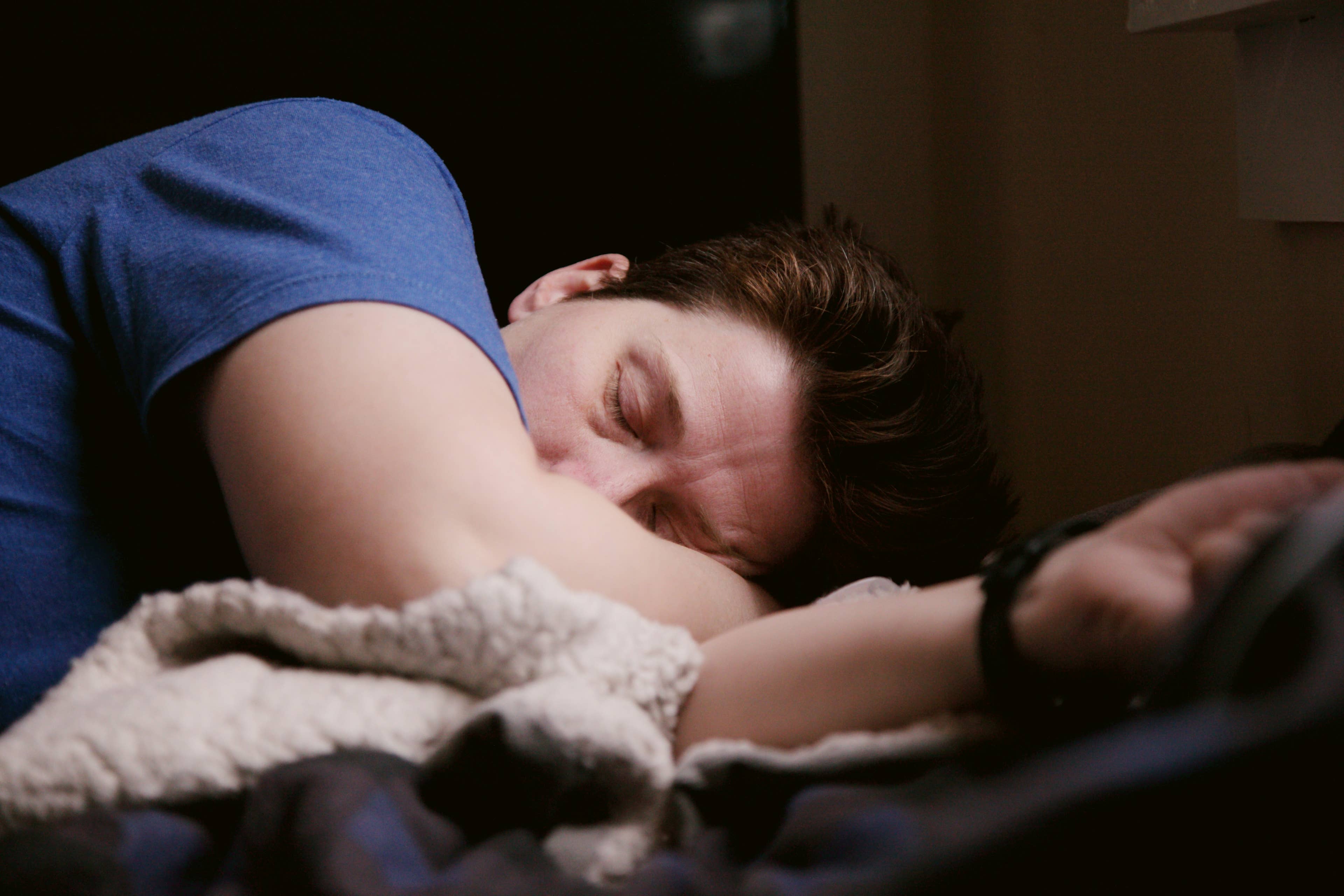
If someone has spent 45 minutes scrolling, checking messages, drinking caffeine late in the evening and then climbs into bed expecting a military breathing trick to override everything, the method is unlikely to perform miracles.
Sleep pressure, circadian timing, caffeine, stress, light exposure and the bedroom environment all influence how easily someone falls asleep. The American Academy of Sleep Medicine recommends behavioral approaches such as CBT-I as first-line treatment for chronic insomnia rather than relying on relaxation tricks alone.
So, use the military method as a wind-down technique, not a guaranteed two-minute knockout. Practice it consistently when you’re already preparing for sleep, keep expectations modest, and avoid turning the stopwatch into another source of stress. If insomnia persists for weeks or is affecting daytime functioning, that is a much better reason to seek professional help than trying increasingly elaborate internet sleep hacks.
This story was originally published by Men's Journal on Aug 28, 2026, where it first appeared in the Health section. Add Men's Journal as a Preferred Source by clicking here.


